
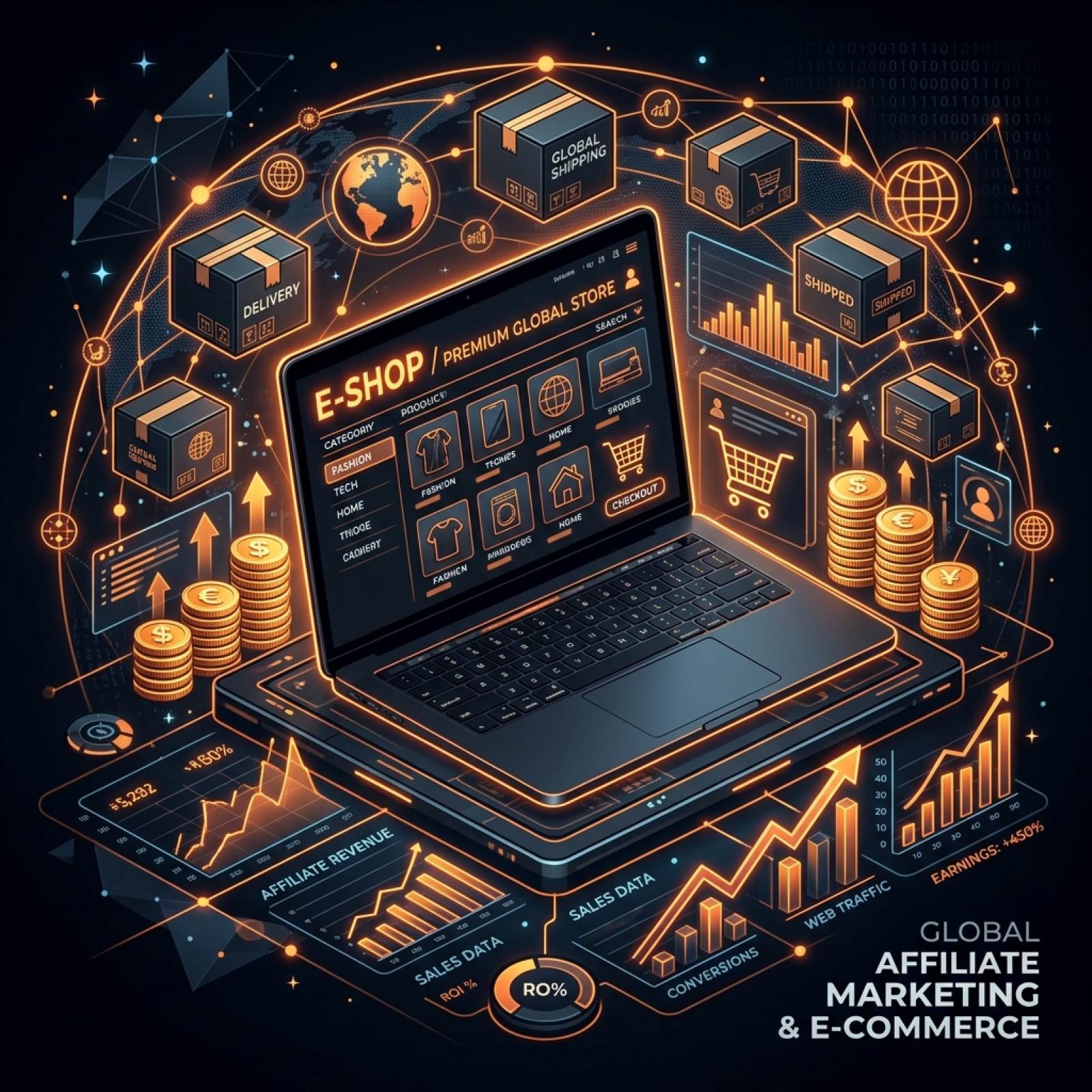
Understanding Digital Marketing
Digital marketing encompasses all marketing efforts that use electronic devices or the internet. Businesses leverage digital channels to connect with current and prospective customers where they spend their time — online. Global digital ad spending exceeds $600 billion annually, and businesses that adopt comprehensive digital marketing strategies see 2.8x better revenue growth.
Understanding the different types of digital marketing is essential for building an effective strategy that reaches the right audience through the right channels at the right time.
1. Search Engine Optimization (SEO)
SEO is the process of optimizing your website to rank higher in organic (unpaid) search engine results. It's the foundation of long-term digital visibility.
Let us turn your ideas into a stunning digital reality. Message us now!
Key Components
- On-Page SEO: Content optimization, keyword targeting, meta tags, internal linking, heading structure
- Technical SEO: Site speed, mobile optimization, crawlability, schema markup, Core Web Vitals
- Off-Page SEO: Link building, brand mentions, domain authority, digital PR
- Local SEO: Google Business Profile, local citations, reviews, location-based targeting
Best for: Long-term organic traffic, brand authority, content-driven businesses
ROI Timeline: 3-6 months for initial results, 12+ months for significant impact
Average ROI: 5.3x return on investment
2. Search Engine Marketing (SEM/PPC)
Paid advertising on search engines — primarily Google Ads and Bing Ads. You pay each time someone clicks your ad (Pay-Per-Click).
Ad Types
- Search Ads: Text ads appearing above organic results for specific keywords
- Display Ads: Visual banner ads across Google's Display Network (2 million+ websites)
- Shopping Ads: Product listings with images, prices, and reviews
- Video Ads: YouTube pre-roll and in-stream advertisements
- Performance Max: AI-powered campaigns across all Google properties
Best for: Immediate traffic, lead generation, e-commerce sales
ROI Timeline: Immediate results once campaigns launch
Average ROI: $2 for every $1 spent (varies by industry)
3. Social Media Marketing
Building brand presence, engaging audiences, and driving conversions through social media platforms.
Platform Strategy
- Facebook/Instagram (Meta): Broadest reach, powerful ad targeting, Stories and Reels
- LinkedIn: B2B marketing, professional networking, thought leadership
- TikTok: Gen Z and Millennial reach, viral content potential, creative ads
- Twitter/X: Real-time engagement, customer service, brand voice
- Snapchat: Young demographics, AR experiences, particularly strong in MENA
- Pinterest: Visual discovery, shopping intent, home/fashion/food niches
Best for: Brand awareness, community building, engagement
ROI Timeline: 3-6 months for organic, immediate for paid social
4. Content Marketing
Creating and distributing valuable, relevant content to attract and retain a clearly defined audience.
Content Types
- Blog articles and long-form guides
- Infographics and visual data stories
- Whitepapers and industry reports
- Case studies and success stories
- Podcasts and audio content
- Interactive tools (calculators, quizzes, assessments)
Best for: SEO support, thought leadership, lead nurturing
ROI Timeline: 6-12 months for compounding returns
5. Email Marketing
Direct communication with subscribers and customers through targeted email campaigns.
- Newsletter campaigns: Regular value-driven content to subscribers
- Automated sequences: Welcome series, abandoned cart, re-engagement
- Segmented campaigns: Targeted messages based on behavior and preferences
- Transactional emails: Order confirmations, shipping updates, receipts
Best for: Customer retention, direct sales, relationship building
Average ROI: $36 for every $1 spent — highest of any digital channel
6. Influencer Marketing
Partnering with individuals who have dedicated social followings to promote your brand.
- Nano (1K-10K followers): Highest engagement, authentic recommendations
- Micro (10K-100K): Niche expertise, strong community trust
- Macro (100K-1M): Broad reach, professional content quality
- Mega (1M+): Maximum reach, celebrity-level awareness
Best for: Brand awareness, social proof, reaching new audiences
7. Affiliate Marketing
Performance-based partnerships where affiliates earn commissions for driving sales or leads to your business.
Best for: E-commerce, SaaS, and subscription businesses seeking scalable sales channels
8. Video Marketing
Using video content across platforms — YouTube, TikTok, Instagram Reels, website — to educate, entertain, and convert.
Get professional logo and complete corporate identity designs to attract customers.
Best for: Product demonstrations, tutorials, brand storytelling, engagement
Building an Integrated Strategy
- Define goals: Awareness, traffic, leads, or sales
- Know your audience: Where they spend time and how they make decisions
- Start with 2-3 channels: Focus and optimize before expanding
- Measure everything: Track KPIs per channel, calculate ROI
- Iterate and optimize: Shift budget to highest-performing channels
Frequently Asked Questions
Main types?
SEO, SEM/PPC, social media, content, email, influencer, affiliate, and video marketing.
Most effective?
Depends on goals. SEO for long-term ROI, email for immediate ROI, PPC for speed.
Budget?
B2C: 5-10% of revenue. B2B: 2-5%. Start with 1-2 channels, prove ROI.
SEO vs SEM?
SEO = organic/free (slow). SEM = paid/immediate. Use both for best results.
Social media for B2B?
Yes — LinkedIn leads, YouTube tutorials, Twitter thought leadership.
Conclusion
The most successful digital marketing strategies combine multiple channel types into an integrated approach. Start with the channels most aligned to your business goals and audience, measure results rigorously, and expand based on proven performance.
Frequently Asked Questions
What are the main types of digital marketing?
The 8 main types are: Search Engine Optimization (SEO), Search Engine Marketing (SEM/PPC), Social Media Marketing, Content Marketing, Email Marketing, Influencer Marketing, Affiliate Marketing, and Video Marketing. Each serves different goals — SEO for organic visibility, PPC for immediate traffic, social media for engagement, and email for retention.
Which type of digital marketing is most effective?
It depends on your goals. SEO delivers the highest long-term ROI (average 5.3x return). Email marketing has the highest immediate ROI ($36 for every $1 spent). PPC provides the fastest results. Content marketing builds authority over time. The most effective strategy combines multiple channels working together in an integrated approach.
How much should a business spend on digital marketing?
B2C companies typically spend 5-10% of revenue, B2B companies 2-5%. Startups may invest 15-20% for growth. Minimum viable budgets: SEO $500-2,000/month, PPC $1,000-5,000/month, Social Media $500-3,000/month. Start with one or two channels, prove ROI, then expand gradually.
What is the difference between SEO and SEM?
SEO (Search Engine Optimization) focuses on organic (free) search rankings through content, technical optimization, and link building — results take 3-6 months but are sustainable. SEM (Search Engine Marketing) uses paid ads (Google Ads) for immediate visibility — results are instant but stop when you stop paying. Most businesses benefit from both.
Is social media marketing worth it for B2B companies?
Yes, but with different platform priorities. LinkedIn is the most effective B2B social platform (80% of B2B leads come from LinkedIn). Twitter/X for thought leadership, YouTube for product demos and tutorials. B2B social media focuses on lead generation and brand authority rather than direct sales.

Comments (0)