

Website Development in 2026: A Practical Roadmap
A visitor can leave a slow site within seconds. Website development has become the foundation of how businesses, creators, and organizations connect with the world, and getting it right in 2026 matters more than ever. Whether you are launching a personal blog or scaling an enterprise platform, the choices you make early will shape how visitors find, trust, and interact with you. This guide breaks the subject down into practical, digestible pieces so you can move forward with confidence. First, you will learn exactly what website development involves and how to take your very first steps. From there, we map out the major subject areas and show you how to choose the right development partner if you decide not to build alone. A look back at how the field evolved reveals why certain modern practices exist. We then examine best practices, followed by the SEO strategies that turn a good site into a discoverable one. Finally, you will walk away with clear takeaways and actionable next steps, ready to build and grow something that lasts.
Getting Started: How to Take Your First Steps in Website Development
Now that you understand what website development involves, the real work begins with your mindset. Treat your first project as a learning experiment, not a masterpiece. Beginners often expect polished results overnight; instead, expect small wins and steady progress. This attitude keeps you motivated when bugs appear.
Self-taught developers thrive on curiosity and consistency. Pick one language or tool and stick with it before branching out. Build tiny projects, break them, then rebuild. The pursuit of knowledge, as broader development research reminds us, is strengthened by will and persistence rather than talent alone; the Arab Human Development Report noted in 2002 that disabling constraints, not a lack of human capital, held knowledge acquisition back. Remove your own constraints by practicing daily and joining active communities.
We provide end-to-end technical consultation and development to help founders succeed.
Next, decide how you will build. DIY development suits learners who want full control and low costs. However, a professional website development company makes sense when deadlines, security, or complex features matter. Many people blend both: they learn the basics, then hire experts for the hard parts.
Finally, set realistic goals. A simple five-page site is a strong first target. Give yourself weeks, not days, and track progress in small milestones. As a result, you avoid burnout and finish something real. Consequently, your confidence grows, and your second project starts on much firmer ground.
Browse Website Development by Subject Area
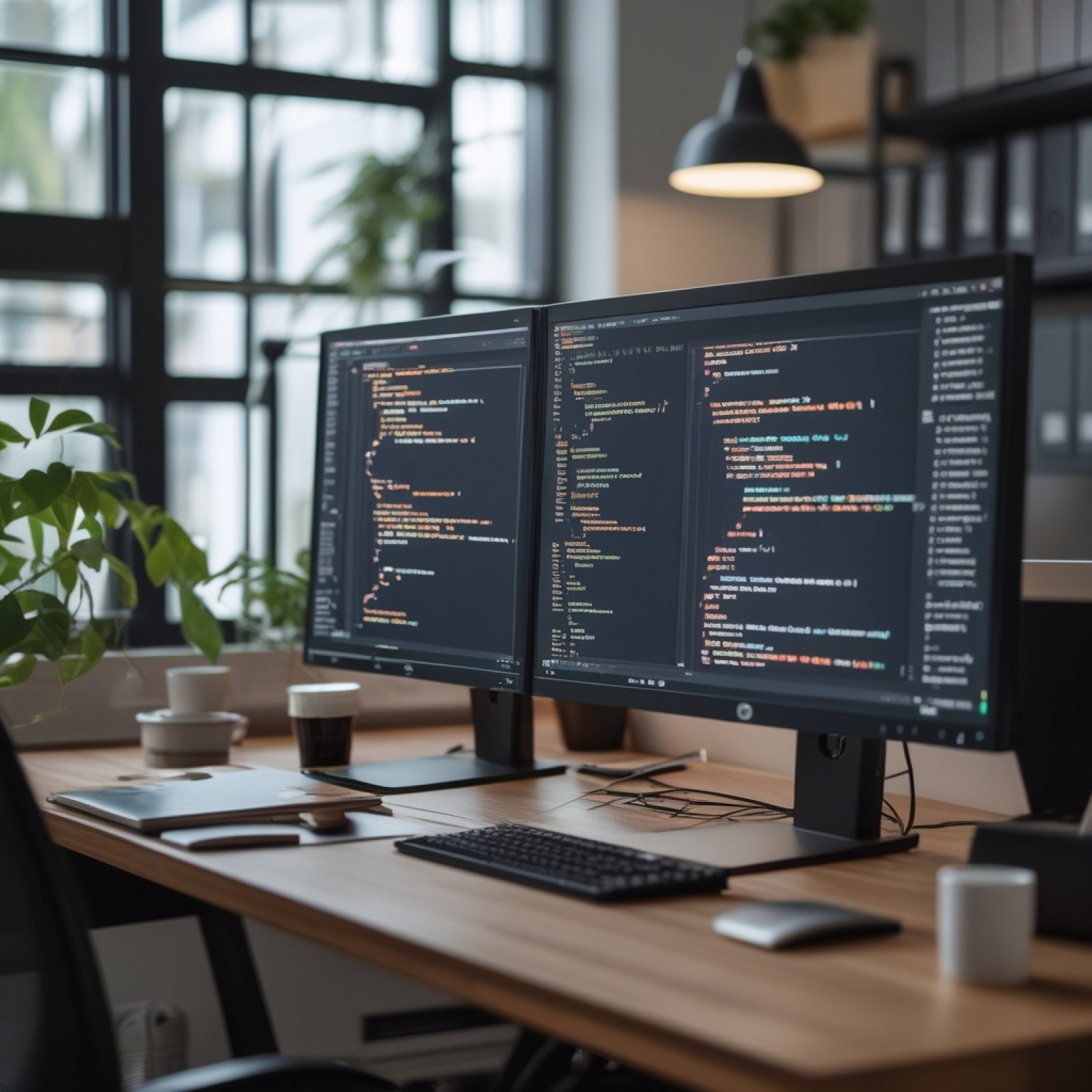
With your first steps underway, the field opens into distinct subject areas. Each one builds a specific layer of a working site. Start with the front-end trio: HTML, CSS, and JavaScript. HTML structures your content, CSS styles it, and JavaScript makes pages interactive. These three run in every browser, so they remain the foundation every developer learns first.
Beyond the browser sits the server. Here, languages like Python, PHP, Ruby, and Node.js handle logic, process forms, and connect to data. Python reads cleanly and suits beginners. PHP powers a huge share of existing sites, WordPress among them. Ruby favors rapid development, while Node.js lets you write server code in JavaScript itself. Consequently, you can use one language across the whole stack.
Data and connections form the next area. Databases such as PostgreSQL or MySQL store your information. APIs let separate systems exchange that information reliably. Frameworks, meanwhile, bundle common tools so you avoid rebuilding basics; React, Django, and Laravel are widely used examples.
Finally, choosing the right tech stack matters more than chasing trends. Match your tools to the project: a simple blog needs less than a real-time app. For example, a small business site rarely justifies complex infrastructure. If you feel unsure, a reputable website development company can assess your goals and recommend a stack that fits your budget, timeline, and growth plans.
How to Choose the Right Website Development Company
With the subject areas mapped out, the next practical challenge is picking a partner to build your site. Start by weighing the qualities that separate a strong website development company from a weak one. Look for a portfolio of live sites, clear communication, and proof of ongoing support after launch. Technical range matters too; the team should handle design, code, performance, and security together. In addition, check reviews and ask to speak with past clients.
Before you sign anything, ask pointed questions. Who owns the code and content? How are revisions, deadlines, and hosting handled? What happens if the project stalls or the relationship ends? A vendor who answers plainly is usually one you can trust.
Your choice of model shapes cost and control. Freelancers are affordable and flexible, yet capacity is limited. Agencies bring broader teams and accountability, though prices run higher. An in-house team gives you full control, but salaries and overhead add up fast. Match the model to your budget and long-term plans.
Pricing follows a few common patterns: fixed-price for defined scopes, hourly for evolving work, and retainers for continuous support. As a rough guide in 2026, a simple brochure site may cost a few thousand dollars, while a custom platform can reach tens of thousands. Consequently, define your scope clearly first, then request written quotes so you can compare like for like.
The Evolution of Website Development: A Historical Perspective
Having weighed how to pick the right website development company, let's step back and trace how the craft matured. Understanding its roots explains why current standards look the way they do.
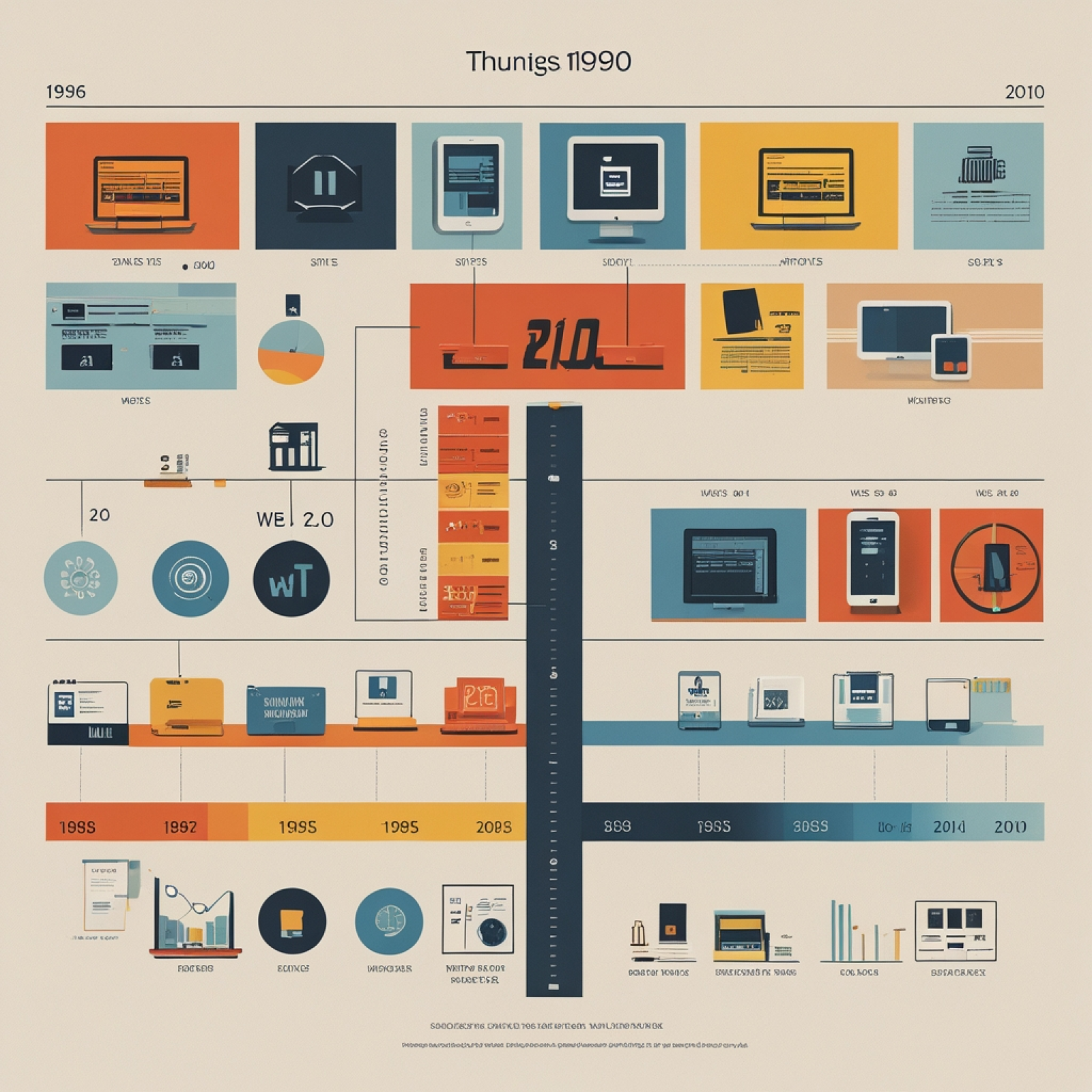
Between 1996 and 2003, the web ran on static HTML pages. Sites were simple, text-heavy, and slow to update. The dot-com boom then poured money into online ventures, and demand for developers surged almost overnight. During 2004 and 2005, Web 2.0 reshaped everything. Pages became interactive, users started creating content, and the industry grew into a recognized profession with real career paths. First, hobbyists gave way to specialists. Then, agencies and studios formed to meet rising expectations.
From 2006 to 2010, operations expanded fast. Content management systems like WordPress let non-coders publish and manage sites easily. Meanwhile, mobile browsing took off, forcing developers to think beyond the desktop screen. This shift, therefore, planted the seed for responsive design.
These past trends still guide modern best practices. Static-era discipline taught clean, lightweight code. Web 2.0 established the value of user experience and interactivity. Consequently, today's teams treat performance, accessibility, and mobile-first design as defaults rather than extras. In contrast to the early years, launching a site now assumes constant iteration. History, as a result, offers a practical map: each lesson learned reduced friction for the next generation of builders. When you choose partners or set your own workflow in 2026, these accumulated decades of experience quietly shape every sound decision you make.

Best Practices for Modern Website Development
Understanding the history of the field sets the stage for the habits that separate good sites from great ones. Start with responsive, mobile-first design. Build layouts for small screens first, then scale up. This approach matters because most traffic now arrives on phones, so a fluid grid and flexible images keep every visitor comfortable.
We design and develop custom software and ERP systems tailored to your business needs.
Performance follows closely behind. Speed shapes how people feel about your brand, so optimize images, minify code, and lean on caching. Google's Core Web Vitals give you concrete targets: aim for a Largest Contentful Paint under 2.5 seconds, an Interaction to Next Paint under 200 milliseconds, and a Cumulative Layout Shift below 0.1. Meet those marks and your rankings and retention both improve.
Accessibility deserves equal weight. Inclusive design serves users with disabilities and, in turn, everyone else. Follow the WCAG guidelines, add descriptive alt text, ensure strong color contrast, and support full keyboard navigation. As a result, your reach widens and legal risk shrinks.
Finally, treat security and maintenance as ongoing work, never a one-time task. Serve everything over HTTPS, patch software promptly, and back up regularly. A reputable website development company will schedule these updates for you, monitor for threats, and test after every change. Meanwhile, in-house teams can automate scans to catch issues early. For deeper reference on human-centered development principles, see the broader research on capacity and knowledge diffusion. Adopt these practices consistently, and your site stays fast, open, and safe well beyond 2026.

SEO and Website Development: Building for Visibility
Best practices give your site a solid foundation; search visibility turns that foundation into traffic. Technical SEO should be baked into development, not bolted on later. First, bake in fast load times, clean code, mobile responsiveness, and crawlable markup from the first commit. Next, use semantic HTML and structured data so search engines understand your content.
URL structure matters too. Keep paths short, readable, and keyword-aware, for example /services/website-development rather than a string of random parameters. Metadata deserves the same care. Write unique title tags and meta descriptions for every page. In addition, plan site architecture as a shallow hierarchy, so any page sits within a few clicks of the homepage. Internal links then spread authority and guide crawlers.
Optimizing during the build phase saves costly rework. Therefore, define target keywords before writing content, and map each one to a specific page. A capable website development company will run staging audits, fix broken links, and set canonical tags before launch. Meanwhile, image compression and lazy loading protect your Core Web Vitals scores.
Measurement closes the loop. Install analytics on day one to track sessions, bounce rate, and conversions. Pair that with Google Search Console to monitor impressions, click-through rate, and indexing issues. Consequently, you can see which pages rank and which need work. Review performance metrics monthly, then refine content and structure. Treat SEO as an ongoing discipline woven through development, not a one-time task, and your visibility will compound as 2026 progresses.
Practical Takeaways and Next Steps
Building a strong online presence starts with understanding what website development actually involves, from planning and coding to ongoing maintenance. Your first steps set the foundation, and exploring the field by subject area helps you find where your skills or business needs fit best. When you decide to hire help, choosing the right development company matters as much as the technology itself. History shows how quickly this field evolves, so grounding your work in modern best practices keeps your site fast, secure, and accessible. Meanwhile, treating SEO as part of development rather than an afterthought ensures people actually find what you build. Consequently, the theory only pays off once you act on it. First, define one clear goal for your site; next, sketch a simple plan covering design, content, and search visibility. Your practical next step for 2026 is straightforward: pick a single page or feature and start building it this week, then refine as you learn.


Comments (0)