
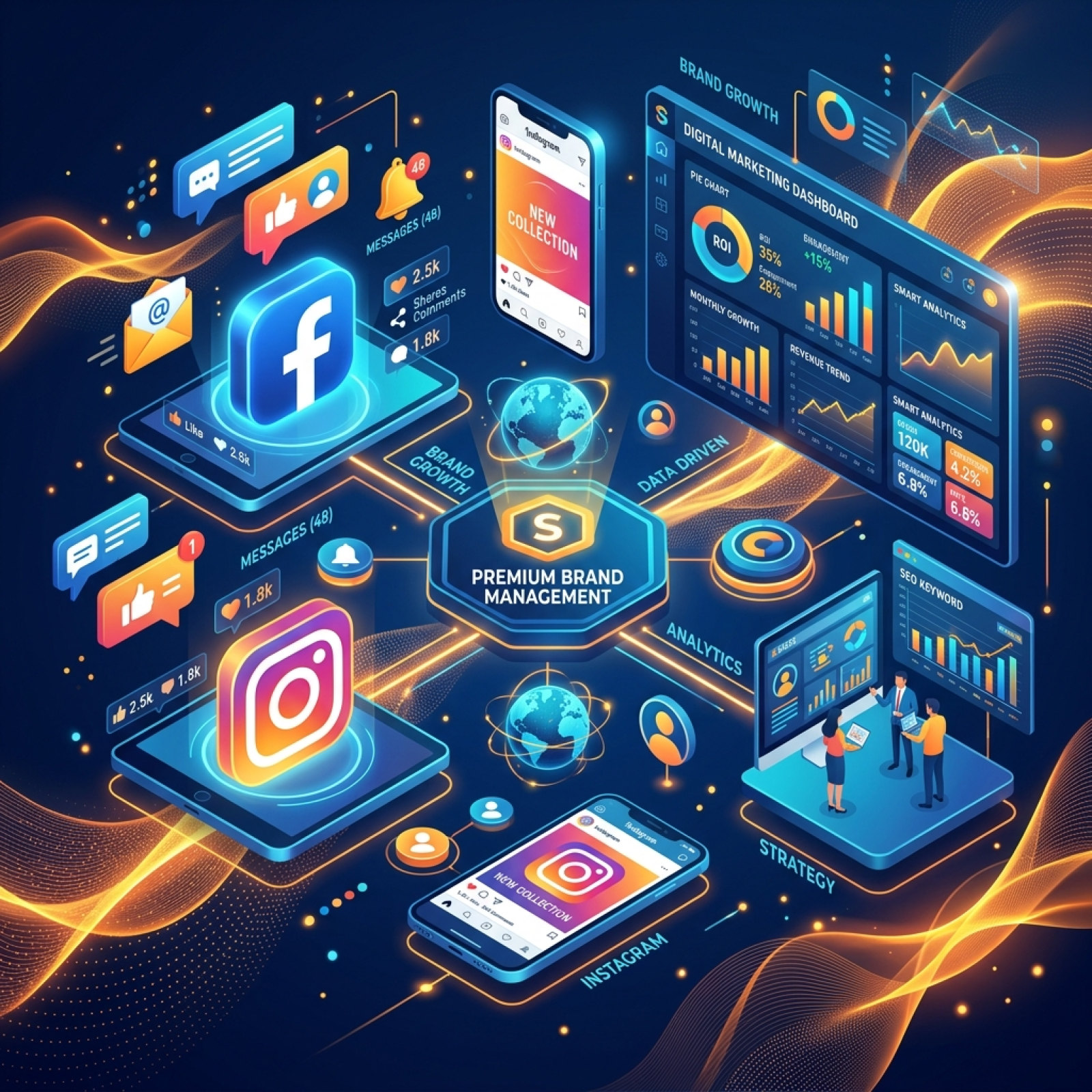
Why Digital Marketing is Essential for Clothing Brands
The fashion industry has shifted dramatically online. Over 60% of fashion purchases now involve digital touchpoints, from initial discovery on Instagram to final purchase on an e-commerce store. For clothing brands — whether established labels or emerging designers — a strong digital marketing strategy is no longer optional.
Core Digital Marketing Channels for Fashion
1. Social Media Marketing
Instagram: The primary platform for fashion brands. Use a mix of feed posts, Stories, Reels, and Shopping features. Post 4-7 times per week with a consistent brand aesthetic. Leverage user-generated content (UGC) — customer photos wearing your clothing are more trusted than professional shoots.
TikTok: Essential for reaching Gen Z and millennials. Create trend-driven content: styling tips, behind-the-scenes manufacturing, outfit challenges, and try-on hauls. TikTok's algorithm favors content quality over follower count — even new brands can go viral.
X-Kaizen team is ready to help. Chat with us on WhatsApp for a free consultation.
Pinterest: A powerful discovery platform where users actively search for fashion inspiration. Create shoppable pins for each product and organize boards by style, season, and occasion.
2. Influencer Marketing
Partner with influencers whose aesthetic and audience align with your brand. Strategies include:
- Gifting products in exchange for content
- Paid collaborations with content deliverables
- Affiliate partnerships with commission on sales
- Brand ambassador programs for ongoing relationships
- Micro-influencers (10K-50K) for higher engagement rates
3. Email Marketing
Build and segment your email list for personalized campaigns:
- Welcome series for new subscribers (offer first-purchase discount)
- New collection launches and early access
- Abandoned cart recovery sequences
- Seasonal sale announcements
- Style guides and lookbook content
- Birthday and anniversary offers
4. Paid Advertising
- Meta Ads: Instagram and Facebook ads with dynamic product catalogs
- Google Shopping: Product listing ads for search-intent purchases
- TikTok Ads: Spark Ads and In-Feed ads for discovery
- Retargeting: Show ads to people who viewed products but didn't purchase
5. Content Marketing and SEO
- Style guides and lookbooks
- Fashion trend articles
- Outfit inspiration for different occasions
- Behind-the-scenes brand storytelling
- Size and fit guides (reduces returns and boosts SEO)
E-Commerce Optimization for Fashion
- High-quality product photography (model shots + flat lays)
- Detailed size guides with measurement charts
- Customer reviews with photos
- Seamless mobile shopping experience
- Multiple payment options including BNPL
Frequently Asked Questions
Best social media platform?
Instagram (#1), TikTok for younger audiences, Pinterest for high-intent discovery.
Marketing budget?
New brands: 15-25% of revenue. Established: 8-15%. Minimum $1,000-3,000/month for startups.
Work with Kaizen's digital marketing and advertising specialists to maximize your ROI.
Influencer marketing effectiveness?
11x higher ROI than traditional ads. Micro-influencers deliver best engagement rates.
Email marketing for fashion?
Highest ROI channel ($42 per $1 spent). Segment by purchase history and preferences.
Reduce cart abandonment?
Abandoned cart emails within 1 hour, free shipping thresholds, clear size guides, and retargeting ads.
Conclusion
Successful fashion marketing combines visual storytelling on social media, strategic influencer partnerships, personalized email campaigns, and optimized e-commerce experiences. The brands that master these channels build loyal communities that drive sustainable growth.
Frequently Asked Questions
What is the best social media platform for clothing brands?
Instagram remains #1 for fashion — its visual format is ideal for showcasing clothing. TikTok is the fastest-growing platform for reaching younger demographics with trend-driven content. Pinterest drives high-intent traffic from users actively searching for outfit inspiration. Use all three with tailored content for each platform.
How much should a clothing brand spend on digital marketing?
New brands should allocate 15-25% of revenue to marketing. Established brands typically spend 8-15%. For a startup, begin with a minimum of $1,000-3,000/month focused on Instagram ads and influencer partnerships. Scale budget based on ROAS (Return on Ad Spend) — aim for 3-5x minimum.
How effective is influencer marketing for clothing?
Highly effective. Fashion influencer campaigns generate 11x higher ROI than traditional advertising. Micro-influencers (10K-50K followers) often deliver better engagement rates than celebrities. Focus on authentic partnerships where the influencer genuinely fits your brand aesthetic and target audience.
Should clothing brands use email marketing?
Absolutely. Email marketing delivers the highest ROI in fashion ($42 for every $1 spent). Build your email list through website popups, first-purchase discounts, and exclusive preview access. Segment by purchase history, browsing behavior, and preferences for personalized campaigns.
How do I reduce cart abandonment in fashion e-commerce?
Average fashion cart abandonment is 75%. Reduce it with: abandoned cart email sequences (send within 1 hour), free shipping thresholds, guest checkout option, multiple payment methods, clear size guides to reduce uncertainty, and retargeting ads showing the exact items left in cart.

Comments (0)